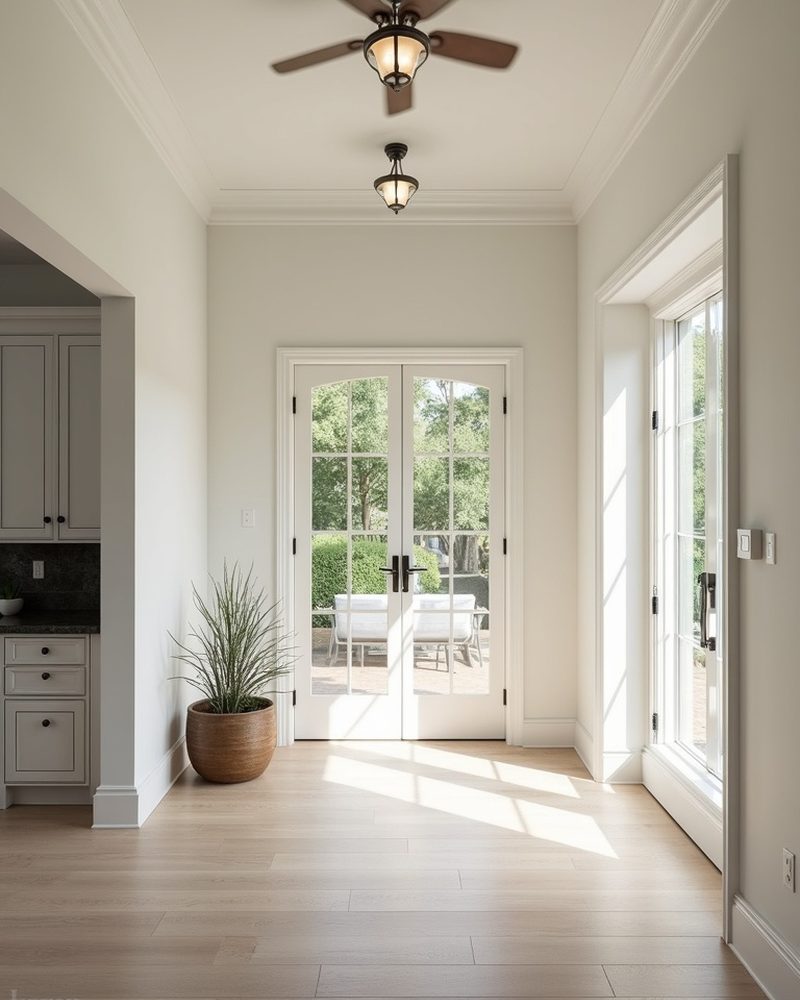
Buying or selling a home in Atlanta North is about more than timing the market. It is about recognizing the local signals that matter, making decisions that protect resale value, and arranging the transaction so both sides feel confident. Whether you plan to buy, sell, or simply study the market, this guide gives clear, evergreen steps to help you make profitable moves in Atlanta North real estate.
Atlanta North remains a market of micro opportunities. Block by block differences in school assignments, commute time to key employment centers, recent infrastructure improvements, and small maintenance items on a property often explain price gaps that seem larger than they should. Understanding those micro differences is what separates buyers who get long term value from those who overpay, and sellers who maximize proceeds from those who leave money on the table.
If you are buying in Atlanta North start with a practical checklist. Confirm your financing and preferred loan type early so you can act quickly when the right property appears. Look beyond photos and check: accurate school boundaries, recent sales within a one mile radius, HOA rules, and any planned road or zoning changes. Order a detailed inspection and pay attention to roof age, HVAC condition, drainage and grade, and the presence of mature trees that can affect insurance and maintenance. For resale potential, prioritize properties with flexible spaces, functional floor plans, reasonable lot size, and access to walkable amenities. These attributes attract more buyers when it comes time to sell.
If you are selling a home in Atlanta North focus on strategic fixes and presentation. A full renovation is rarely necessary; targeted investments tend to return the most. Address visible maintenance items, ensure curb appeal with simple landscaping, and complete a pre-listing inspection if you want to remove surprises during negotiation. Price your home based on current comparable sales in your immediate neighborhood rather than broad city averages. High-quality photos, clear floor plans, and accurate listing details make your property stand out online. Consider flexible showing policies and virtual tour options to capture buyers who search first online then visit in person.
Pricing is one of the single most impactful decisions for both buyers and sellers. Sellers should avoid inflated list prices that increase time on market and discourage offers. Buyers should evaluate comparables, days on market, and price per square foot within a narrow radius rather than relying on headline statistics. Small price adjustments near common buyer thresholds can generate more interest and multiple offers; conversely, overpricing can bury a listing even in a strong market.
Choose neighborhoods with an eye toward long term demand. Look for nearby investments such as improved transit access, new schools or school improvements, commercial nodes, and public greenspace additions. Street-level characteristics matter: sidewalks, tree canopy, and lighting influence family and pedestrian appeal. Investigate flood zones and stormwater history since drainage problems can be costly and deter future buyers. Local volunteer fire department ratings and response times may also be practical considerations for insurance and safety.
Plan for durable value by prioritizing the right maintenance and upgrades. Keep records of recent improvements, service contracts, and appliance warranties. Best-return upgrades often include updated kitchens with good workflow, modernized bathrooms, energy-efficient windows and HVAC, and roof repairs when needed. Cosmetic trends change; invest in neutral finishes and durable materials that appeal to the broadest audience.
Financing
